

What is the minimum feature size that EXQ - Laser can process?
Leave a message

As a supplier of EXQ - Laser, I'm often asked about the minimum feature size that this exceptional laser system can process. This question is crucial for potential customers, especially those in industries such as microfabrication, medical device manufacturing, and tattoo removal, where precision is of the essence.
Understanding the Basics of EXQ - Laser
Before delving into the minimum feature size, it's essential to understand the fundamental characteristics of the EXQ - Laser. The Exq - laser is a state - of - the - art laser system known for its high - energy output, short pulse duration, and excellent beam quality. These features make it suitable for a wide range of applications, from industrial cutting and engraving to cosmetic procedures like tattoo removal.
The short pulse duration of the EXQ - Laser is particularly significant. Short pulses can deliver a high amount of energy in a very short time, which allows for precise material removal without excessive heat transfer to the surrounding areas. This is crucial when processing small features, as it minimizes the risk of thermal damage that could otherwise distort the feature or affect the quality of the processed material.
Factors Affecting the Minimum Feature Size
Several factors influence the minimum feature size that the EXQ - Laser can process.
Beam Diameter
The beam diameter of the laser is one of the most critical factors. A smaller beam diameter allows for more precise focusing, which in turn enables the processing of smaller features. The EXQ - Laser is designed with advanced optics that can achieve a very small beam diameter at the focal point. Through careful calibration and adjustment of the optical components, we can control the beam diameter to meet the specific requirements of different applications.
Pulse Energy and Repetition Rate
The pulse energy and repetition rate also play important roles. Higher pulse energy can ablate materials more effectively, but if the energy is too high, it may cause excessive damage to the surrounding area. On the other hand, the repetition rate determines how frequently the laser pulses are delivered. A higher repetition rate can increase the processing speed, but it also needs to be balanced with the pulse energy to ensure the quality of the processed features.
Material Properties
The properties of the material being processed are another crucial factor. Different materials have different absorption coefficients for laser light. For example, metals and ceramics may have different responses to the EXQ - Laser compared to polymers or biological tissues. Materials with higher absorption coefficients can be processed more easily and may allow for smaller feature sizes, as the laser energy is more efficiently absorbed and used for material removal.
Minimum Feature Size in Different Applications
Microfabrication
In microfabrication, where the production of tiny components and structures is required, the EXQ - Laser can achieve remarkable results. For example, in the manufacturing of microelectromechanical systems (MEMS), the minimum feature size that can be processed by the EXQ - Laser can be as small as a few micrometers. This level of precision is essential for creating components such as sensors, actuators, and microfluidic devices.
The ability to process such small features is due to the combination of the laser's small beam diameter, short pulse duration, and high - energy output. The short pulses ensure that the material is removed precisely, while the small beam diameter allows for fine - scale patterning.
Tattoo Removal
In the field of tattoo removal, the Picosecond Tattoo Removal Machine based on the EXQ - Laser technology can also achieve very small feature sizes. When targeting individual tattoo ink particles, the laser needs to be able to focus on extremely small areas. The picosecond pulses of the EXQ - Laser are highly effective in shattering these ink particles into tiny fragments, which can then be naturally removed by the body's immune system.

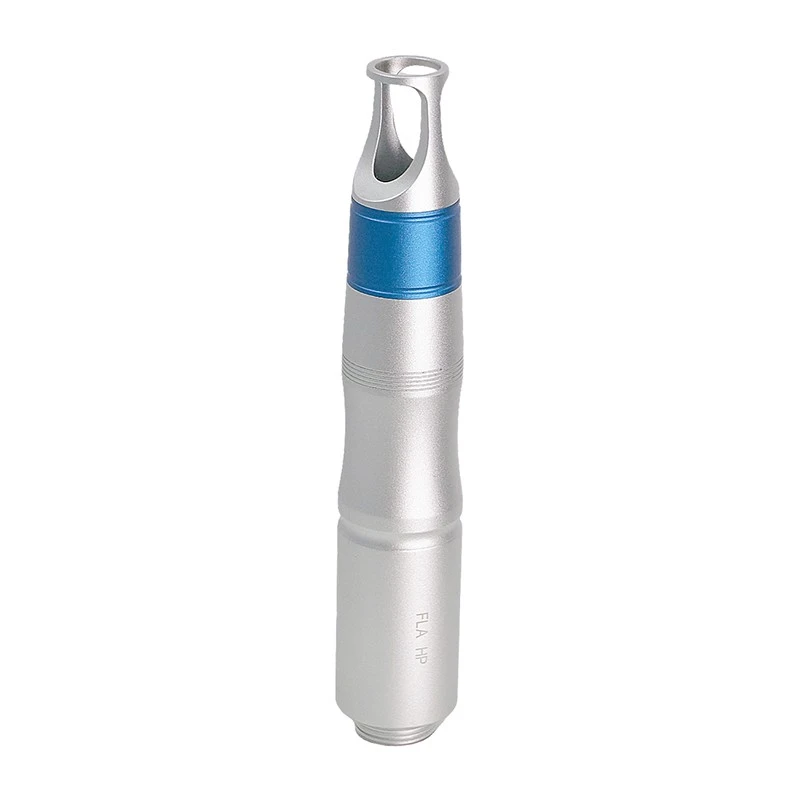
The minimum feature size in tattoo removal is related to the size of the ink particles. The EXQ - Laser can target particles as small as a few nanometers, which is crucial for achieving complete and effective tattoo removal without causing excessive damage to the surrounding skin tissue.
Achieving the Minimum Feature Size
To achieve the minimum feature size, proper setup and calibration of the EXQ - Laser are essential. Our team of experts will work closely with customers to understand their specific requirements and optimize the laser parameters.
Optical Alignment
Accurate optical alignment is crucial for achieving a small beam diameter at the focal point. We use advanced alignment tools and techniques to ensure that the laser beam is precisely focused on the target material. Any misalignment can lead to an increase in the beam diameter and a decrease in the processing precision.
Parameter Optimization
Based on the material properties and the desired feature size, we will optimize the pulse energy, repetition rate, and other laser parameters. Through a series of tests and experiments, we can find the optimal combination of parameters that will allow for the processing of the smallest possible features while maintaining the quality of the processed material.
Case Studies
Let's take a look at some real - world case studies to illustrate the capabilities of the EXQ - Laser in achieving small feature sizes.
Case 1: Microelectronics Manufacturing
A customer in the microelectronics industry needed to create micro - vias with a diameter of less than 10 micrometers in a printed circuit board. By using the EXQ - Laser and carefully optimizing the laser parameters, we were able to achieve the desired feature size with high precision. The vias had smooth walls and minimal thermal damage, which met the strict quality requirements of the customer.
Case 2: Tattoo Removal
A client came to us with a complex tattoo that consisted of small, detailed patterns. Using the Picosecond Tattoo Removal Machine based on the EXQ - Laser, we were able to target individual ink particles and gradually fade the tattoo. After several treatment sessions, the small details of the tattoo were effectively removed, and the surrounding skin showed minimal signs of damage.
Conclusion
In conclusion, the EXQ - Laser is a powerful tool that can process very small feature sizes in a variety of applications. Whether it's microfabrication or tattoo removal, the combination of its advanced optical design, short pulse duration, and controllable laser parameters allows for precise material processing.
If you are interested in learning more about the EXQ - Laser and its capabilities in processing small feature sizes, or if you have specific requirements for your application, please feel free to contact us. We are committed to providing you with the best solutions and high - quality products. Our team of experts is ready to work with you to achieve your goals.
References
- "Laser Microfabrication: Fundamentals and Applications" by John C. Ion
- "Tattoo Removal: Principles and Practice" by various authors in the field of dermatology and laser technology.


