

What is the function of a cold plasma machine in oil and gas processing?
Leave a message

In the dynamic landscape of oil and gas processing, technological advancements play a pivotal role in enhancing efficiency, sustainability, and productivity. One such innovation that has been making waves in the industry is the cold plasma machine. As a leading supplier of cold plasma machines, I am excited to delve into the multifaceted functions of these remarkable devices and explore how they are revolutionizing oil and gas processing.
Understanding Cold Plasma Technology
Before we dive into the specific functions of cold plasma machines in oil and gas processing, it's essential to have a basic understanding of cold plasma technology. Plasma is often referred to as the fourth state of matter, distinct from solids, liquids, and gases. It consists of a highly ionized gas containing free electrons, ions, and neutral particles. Cold plasma, in particular, is characterized by relatively low gas temperatures, making it suitable for a wide range of applications where high temperatures could cause damage or unwanted reactions.
Cold plasma is typically generated by applying an electric field to a gas, such as air, nitrogen, or oxygen. This ionization process creates a reactive environment rich in free radicals, ions, and UV radiation, which can be harnessed for various purposes. In the context of oil and gas processing, cold plasma machines offer several unique advantages that make them invaluable tools for improving operational efficiency and product quality.
Function 1: Desulfurization
One of the most significant challenges in oil and gas processing is the removal of sulfur compounds from crude oil and natural gas. Sulfur compounds, such as hydrogen sulfide (H2S) and mercaptans, not only pose environmental and health risks but also have a detrimental effect on the performance of refining equipment and the quality of end products. Traditional desulfurization methods, such as hydrodesulfurization (HDS), require high temperatures and pressures and consume large amounts of hydrogen, making them energy-intensive and costly.
Cold plasma technology offers a promising alternative for desulfurization. By exposing the feedstock to cold plasma, the sulfur compounds can be broken down into simpler, less harmful substances through a process known as plasma-assisted desulfurization. The reactive species in the cold plasma, such as free radicals and ions, react with the sulfur compounds, converting them into elemental sulfur or sulfur oxides, which can be easily removed from the gas stream. This process can be carried out at relatively low temperatures and pressures, reducing energy consumption and operating costs.
In addition to its environmental and economic benefits, plasma-assisted desulfurization also offers several technical advantages. It can achieve high desulfurization efficiencies, even for feedstocks with high sulfur content. It is also a flexible process that can be easily integrated into existing refining and gas processing facilities. As a supplier of Cold And Hot Plasma Machine, we have developed advanced cold plasma machines specifically designed for desulfurization applications, which have been proven to deliver superior performance and reliability.
Function 2: Deasphalting
Asphaltenes are complex, high-molecular-weight compounds that are present in crude oil. They can cause several problems in oil processing, such as fouling of equipment, plugging of pipelines, and reduced product quality. Deasphalting is a crucial step in the refining process that involves the removal of asphaltenes from crude oil to improve its quality and processability.
Cold plasma technology can be used to enhance the deasphalting process. By treating the crude oil with cold plasma, the asphaltene molecules can be broken down into smaller, more soluble fragments, making them easier to separate from the oil. The reactive species in the cold plasma can also modify the surface properties of the asphaltene particles, reducing their tendency to agglomerate and form deposits. This can lead to improved separation efficiency and reduced fouling of equipment.
Our Cold Plasma Device is designed to provide a highly efficient and cost-effective solution for deasphalting. It can be easily integrated into existing deasphalting units, allowing for seamless operation and improved product quality. By using our cold plasma device, refineries can increase their throughput, reduce maintenance costs, and produce higher-quality products.
Function 3: Gas Treatment and Conditioning
In addition to desulfurization and deasphalting, cold plasma machines can also be used for gas treatment and conditioning in the oil and gas industry. Natural gas often contains impurities such as carbon dioxide (CO2), water vapor, and heavy hydrocarbons, which need to be removed before the gas can be transported and used. Cold plasma technology can be used to selectively remove these impurities through a process known as plasma-assisted gas purification.
The reactive species in the cold plasma can react with the impurities in the gas, converting them into more easily removable compounds. For example, CO2 can be converted into carbon monoxide (CO) and oxygen through a plasma-assisted reduction reaction. Water vapor can be dissociated into hydrogen and oxygen, which can be further reacted to form water or removed from the gas stream. Heavy hydrocarbons can be cracked into lighter hydrocarbons, improving the quality of the gas.

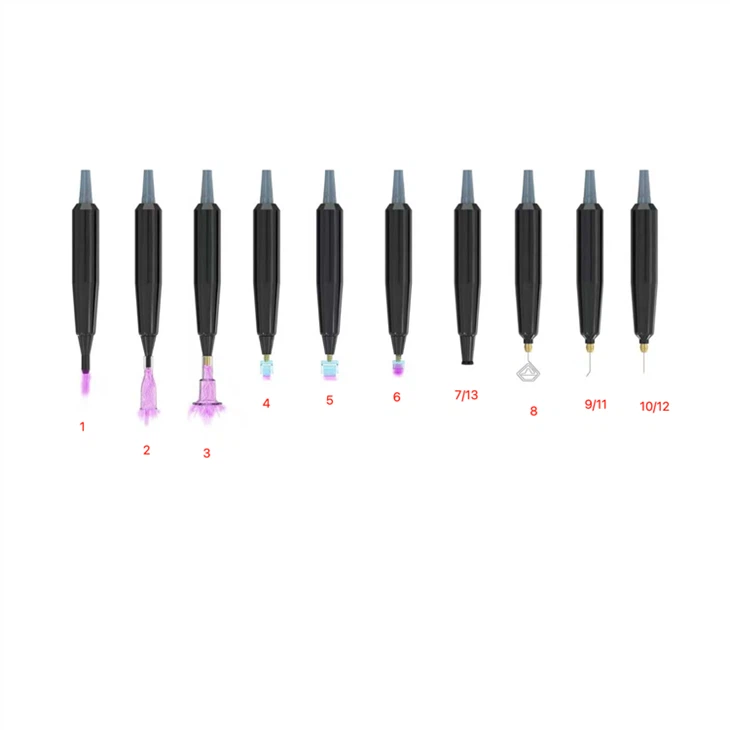
Our Plasma Skin Tightening Machine (although the name might seem more related to cosmetic applications, it has advanced plasma generation technology applicable here) can be customized to meet the specific gas treatment requirements of different oil and gas processing facilities. It offers a compact, energy-efficient, and environmentally friendly solution for gas purification, helping to ensure the safe and reliable operation of gas pipelines and distribution networks.
Function 4: Catalyst Activation and Regeneration
Catalysts play a crucial role in many oil and gas processing reactions, such as cracking, reforming, and hydrogenation. However, catalysts can become deactivated over time due to fouling, poisoning, or sintering, leading to reduced reaction rates and product yields. Cold plasma technology can be used to activate and regenerate catalysts, extending their lifespan and improving their performance.
By exposing the catalyst to cold plasma, the surface of the catalyst can be cleaned and modified, removing any contaminants or deposits that may be inhibiting its activity. The reactive species in the cold plasma can also create new active sites on the catalyst surface, enhancing its catalytic performance. In addition, cold plasma treatment can be used to modify the crystal structure and morphology of the catalyst, improving its stability and selectivity.
As a supplier of cold plasma machines, we offer a range of solutions for catalyst activation and regeneration. Our machines can be used to treat various types of catalysts, including supported metal catalysts, zeolites, and metal oxides. By using our cold plasma technology, refineries and petrochemical plants can reduce their catalyst consumption, improve their process efficiency, and lower their operating costs.
Function 5: Enhanced Oil Recovery (EOR)
Enhanced oil recovery (EOR) is a set of techniques used to increase the amount of oil that can be extracted from a reservoir beyond what can be achieved through primary and secondary recovery methods. Cold plasma technology has the potential to play a significant role in EOR by modifying the properties of the reservoir rock and the oil itself.
When cold plasma is injected into the reservoir, the reactive species can interact with the rock surface, altering its wettability and permeability. This can improve the flow of oil through the reservoir, making it easier to extract. Cold plasma can also break down the heavy components of the oil, reducing its viscosity and improving its mobility. In addition, the plasma-generated radicals can react with the oil molecules, creating new chemical bonds and changing the physical properties of the oil.
Our cold plasma machines can be customized for EOR applications, providing a cost-effective and environmentally friendly alternative to traditional EOR methods. By using our technology, oil companies can increase their oil production, extend the life of their reservoirs, and reduce their environmental impact.
Conclusion
In conclusion, cold plasma machines offer a wide range of functions and benefits in oil and gas processing. From desulfurization and deasphalting to gas treatment, catalyst activation, and enhanced oil recovery, these innovative devices are revolutionizing the way the industry operates. As a leading supplier of cold plasma machines, we are committed to providing our customers with the highest-quality products and services. Our machines are designed to be efficient, reliable, and easy to operate, helping our customers to improve their productivity, reduce their costs, and meet their environmental goals.
If you are interested in learning more about how our cold plasma machines can benefit your oil and gas processing operations, or if you would like to discuss a specific application, please do not hesitate to contact us. We look forward to the opportunity to work with you and help you achieve your business objectives.
References
- Chang, J. S., & Lin, C. Y. (2009). Nonthermal plasma technology for air-pollution control: a review. Journal of the Air & Waste Management Association, 59(5), 517-541.
- Fridman, A. (2008). Atmospheric-pressure plasmas: Sources and applications. Plasma Chemistry and Plasma Processing, 28(6), 703-740.
- Kim, H. J., & Lee, J. H. (2012). Plasma-assisted desulfurization of gasoline using dielectric barrier discharge. Fuel Processing Technology, 107, 338-344.
- Macheret, S. O., & Fridman, A. (2009). Nonthermal plasma processing for hydrocarbon fuel reforming. Journal of Physics D: Applied Physics, 42(1), 013001.
- Neyts, E. C., Bogaerts, A., & Leys, C. (2008). Plasma surface modification of polymers for improved adhesion: a critical review. Journal of Adhesion Science and Technology, 22(8-9), 775-814.


